# Can Glaucoma Cause Blindness? What You Need to Know Getting a serious health diagnosis is scary, and when it involves your vision, that fear can feel overwhelming. So let's get right to it and answer the big question on your mind: Can glaucoma cause blindness? The short answer is yes, it's one of the leading causes of irreversible blindness worldwide. But here's the most important part: in most cases, it is preventable. > _"The most dangerous thing about glaucoma isn't just the disease itself—it's the silence in which it works. But that's also where your power lies: in breaking the silence with early action."_ ## Introduction: The Truth About Glaucoma and Your Vision It's completely normal to feel worried when you hear the word "glaucoma." But knowledge is power, and taking proactive steps puts you back in control of your eye health. This guide is here to walk you through exactly what glaucoma is, how it affects your vision, and the practical steps you can take to protect your sight. This includes combining modern medical treatments with powerful lifestyle choices and nutritional support. For those looking to be proactive, supporting your eye health with targeted nutrition is a great step. You can check out a comprehensive formula like [Eyevita Plus](https://nplink.net/3zdeiohk), which is designed to support the eyes in their everyday activity.  ## What Is Glaucoma? Understanding the 'Silent Thief of Sight' So, what's actually happening inside your eye? Glaucoma is a group of diseases that damage the optic nerve. Think of the optic nerve as the vital cable connecting your eye to your brain, sending all the visual information that allows you to see. When this nerve is damaged, those signals get lost, and unfortunately, this damage is permanent. This is why preventing it is so critical. A major risk factor for this damage is high pressure inside your eye, also known as intraocular pressure (IOP). Imagine your eye is like a sink. A special fluid called aqueous humor is constantly being produced (the faucet is on) and draining out (the drain). In many types of glaucoma, the drain gets clogged. The fluid can't get out fast enough, pressure builds up, and this pressure slowly but surely damages the delicate optic nerve fibers. 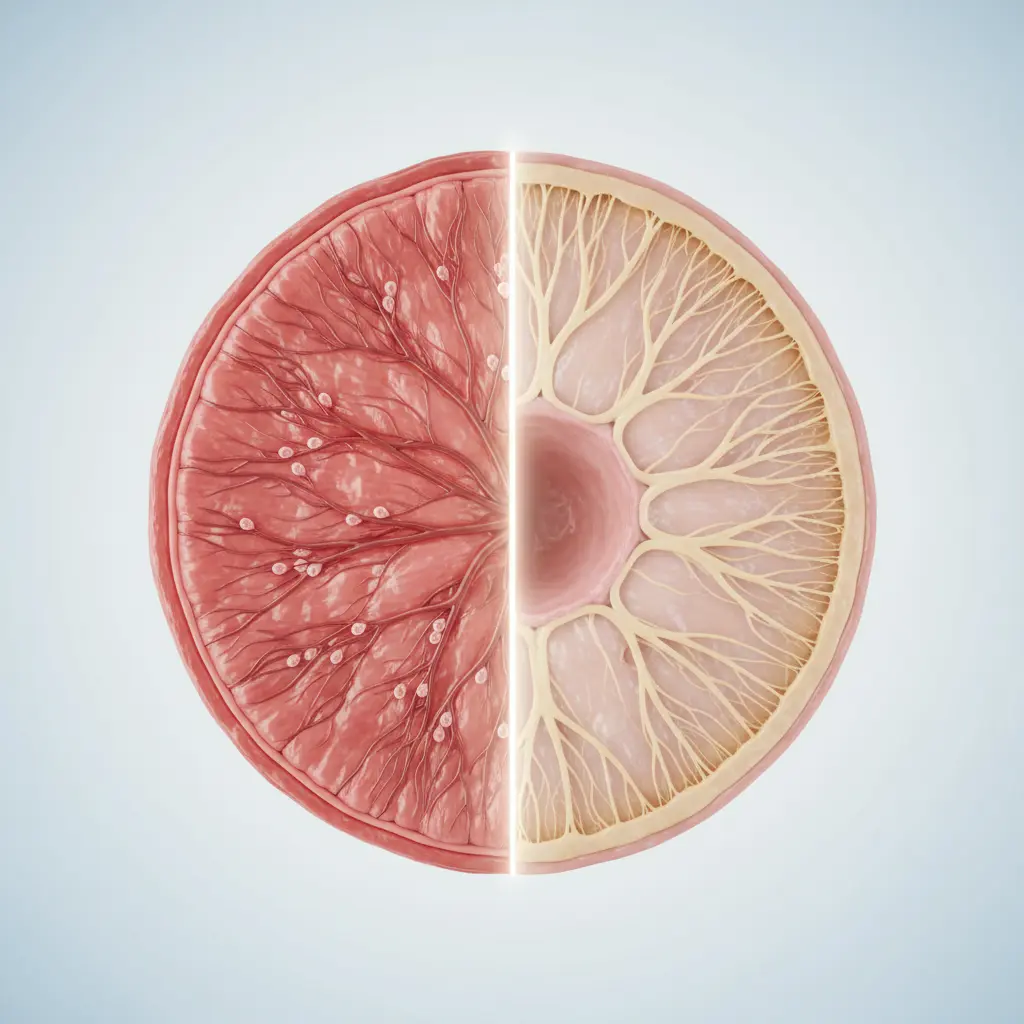 It’s often called the "silent thief of sight" for a reason. In its most common form, there are no early symptoms—no pain, no redness. It starts by stealing your peripheral (side) vision so gradually that you may not notice until significant, irreversible damage has already occurred. ## The Different Faces of Glaucoma: Major Types and Their Symptoms Glaucoma isn't a one-size-fits-all condition. There are several different types, each with its own characteristics. Knowing the main ones can help you understand the risks and symptoms better. | Glaucoma Type | Key Characteristics | Typical Symptoms | |--------------------------|-------------------------------------------------------------------------------------|------------------------------------------------------------------------------------------------------------------| | **Open-Angle Glaucoma** | Most common type. The eye's drainage angle is "open," but the drainage canals become less efficient over time. Progresses very slowly. | None in the early stages. Gradual loss of peripheral vision over many years. This is the classic "silent thief." | | **Angle-Closure Glaucoma** | Less common but can be a medical emergency. The drainage angle becomes blocked suddenly, causing a rapid spike in eye pressure. | Sudden and severe eye pain, nausea, vomiting, seeing halos or rainbows around lights, and sudden blurry vision. Requires immediate medical attention. | | **Normal-Tension Glaucoma**| Optic nerve damage occurs even though the eye pressure is within the "normal" range. The reasons are not fully understood but may relate to a sensitive optic nerve or reduced blood flow. | Similar to open-angle glaucoma, with no early symptoms and slow peripheral vision loss. | There are also secondary glaucomas, which can be caused by an injury, certain medications (like steroids), or other medical conditions. This shows how important a comprehensive eye exam is for a proper diagnosis. ## Are You at Risk? Key Glaucoma Risk Factors to Know While anyone can get glaucoma, some people are at a much higher risk. It's helpful to know where you stand. Here are the most significant risk factors: - **Age:** Your risk increases significantly after age 60. - **Family History:** Having a parent or sibling with glaucoma makes you much more likely to develop it. - **Ethnicity:** People of African, Hispanic, or Asian descent have a higher risk of developing glaucoma. - **Medical Conditions:** Certain health issues like diabetes, high blood pressure, and conditions causing poor circulation can increase your risk by affecting blood flow to the optic nerve. - **Physical Eye Traits:** Things your optometrist checks for, like having high intraocular pressure (even without damage yet), thin corneas, or being very nearsighted or farsighted, can also be risk factors. If you fall into one or more of these categories, it doesn't mean you'll get glaucoma. It just means that regular eye exams are not just a good idea—they are essential for you. ## How to Protect Your Sight: A Proactive Guide to Glaucoma Management Okay, now for the most important part: what can you do about it? Protecting your vision is a partnership between you and your doctor, combining medical care with smart, supportive lifestyle choices. ### The Medical Foundation First and foremost, nothing replaces professional medical care. Regular comprehensive eye exams are the single best way to detect glaucoma early, before you lose vision. If you are diagnosed, your doctor has several effective tools to manage eye pressure, including: - **Medicated Eye Drops:** The most common treatment to lower pressure. - **Laser Therapy (like SLT):** A simple, in-office procedure to help improve the eye's drainage system. - **Surgical Options:** In more advanced cases, a variety of surgical procedures (including MIGS, or Minimally Invasive Glaucoma Surgery) can create a new drainage channel for fluid. ### Supporting Your Optic Nerve with Nutrition Medical treatments are fantastic at managing eye pressure, but that's only one half of the equation. The other half is supporting the health and resilience of the optic nerve itself. That's where proactive nutrition comes in. Think of it as fortifying your eye's natural defenses. Nutrients that support healthy blood flow and provide antioxidant protection can be incredibly beneficial. Things like lutein, zeaxanthin, bilberry, and ginkgo biloba have been studied for their roles in eye health, helping to protect delicate nerve tissue from oxidative stress and support healthy circulation to the eye. For example, a supplement like Eyevita Plus is formulated with these kinds of ingredients to provide comprehensive support.  A formula with the right ingredients can help reduce eye fatigue, improve visual clarity, and support the protection of your eyes against daily stressors like blue light from screens. To see how these ingredients work together, you can [learn more about our recommended eye health formula](https://nplink.net/3zdeiohk). ## Frequently Asked Questions (FAQ) ### Can vision loss from glaucoma be reversed? No, unfortunately not. Any vision lost from glaucoma damage is permanent. This is why early detection and consistent treatment to prevent further loss are so incredibly important. ### How common is blindness from glaucoma? While glaucoma is a leading cause of blindness, it's important to know that with early detection and access to modern treatments, blindness is not a common outcome. The key is catching it and treating it before significant damage is done. ### Can I stop my eye drops if my pressure is normal? Absolutely not! If your pressure is normal, it means the eye drops are working. Stopping them would cause your eye pressure to rise again, leading to more optic nerve damage. You must continue your treatment exactly as prescribed by your doctor. ### Can diet and supplements cure glaucoma? No. Let's be very clear: there is no cure for glaucoma. Diet and supplements like Eyevita Plus are powerful supportive measures that can help protect your optic nerve and overall eye health. They should always be used alongside, and never as a replacement for, the medical treatment prescribed by your eye doctor. ## Conclusion: Take Control of Your Eye Health Journey Today The threat of blindness from glaucoma is real, but it is not a guaranteed outcome. You have so much power to change that outcome. By committing to regular eye exams, following your doctor's treatment plan, and supporting your body's internal defenses with targeted nutrition, you can take control of your eye health journey. This powerful combination is your best strategy for preserving your precious sight for years to come. Don't wait for your vision to change. Start giving your eyes the support they need to thrive today. Discover how a targeted supplement like [Eyevita Plus](https://nplink.net/3zdeiohk) can be part of your proactive, sight-saving strategy.
Glaucoma
Can Glaucoma Cause Blindness? A Guide to Protecting Your Sight
Can glaucoma cause blindness? Yes, but you have the power to stop it. This guide reveals how early detection, proactive treatments, and nutrition can help save your sight.
