Is it just me, or does it feel like a good night's sleep gets harder to find as the years go by? Tossing, turning, and waking up feeling like you barely slept at all. So many of us think this is just a normal part of getting older, but what if it isn't? What if you could get back to waking up refreshed? We're going to explore exactly why sleep changes and look at some gentle, natural ways to help, including a food supplement I've been looking into. You can see the details on that here.
"It’s not about fighting your body to sleep. It’s about giving it the gentle nudge it needs to remember how."
Why Restful Sleep Can Feel Out of Reach as We Age
It's a common complaint I hear all the time. You go to bed tired, but your brain just won't switch off. Or you fall asleep fine, only to wake up a few hours later, staring at the ceiling. This can leave you feeling grumpy and exhausted during the day. It's frustrating! But here's some good news: while our sleep patterns do change, feeling tired all the time is not something you have to accept. Understanding why it happens is the first step to fixing it.
The Science of Sleep and Aging: Why Your Sleep Cycle Changes
So, what's actually going on inside our bodies? Think of it like this: you have an internal clock, often called a Circadian Rhythm. As we get older, this clock can get a little... off. It might start running a bit fast, making you feel sleepy earlier in the evening and waking you up way before the sun rises. This is a common reason why many seniors find themselves wide awake at 4 a.m.
Also, our bodies produce less melatonin, which is the hormone that basically tells your brain, "Hey, it's time to sleep!" With less of this natural signal, falling asleep can become more difficult. Your sleep itself also becomes different. We spend more time in light, easily-disrupted sleep and less time in that deep, restorative sleep that makes you feel truly rested. That’s why you might feel like the slightest noise wakes you up.
It all adds up to why improving sleep in older adults is such an important topic. It’s not just in your head; there are real biological reasons for these changes.
Common Roadblocks to Quality Sleep for Older Adults
On top of the natural changes, other things can get in the way of a good night's rest. Sometimes, it feels like a puzzle trying to figure out what's causing the problem. Let’s look at a few common culprits.
- Aches and Pains: It's hard to sleep when your joints are aching from arthritis or other conditions. Finding a comfortable position can feel impossible.
- Frequent Bathroom Trips: Having to get up to use the bathroom multiple times a night (a condition called nocturia) seriously fragments your sleep.
- Medication Side Effects: Many common prescriptions for things like blood pressure or depression can interfere with sleep. If you're taking multiple medications, the chances of one of them being a sleep thief are even higher.
- Lifestyle Shifts: Retirement can change your daily routine. With less structure, it’s easy to fall into habits like long afternoon naps, which can make it harder to sleep at night. Stress and worry can also play a huge role.
Recognizing if one of these is affecting you is a big step. Why do seniors sleep so lightly? It's often a mix of these internal and external factors working together.
Choosing a Safe and Effective Sleep Aid
When looking for help, it's important to choose wisely. The goal is better sleep, not creating a new problem. For many older adults, common prescription sleeping pills come with risks like dependency, brain fog the next day, and an increased risk of falls. That's why many people search for natural sleep aids for seniors.
A good solution should work with your body, not against it. It should be:
- Non-habit-forming: You want something you can take without worrying about becoming dependent on it.
- Free from grogginess: Waking up refreshed is the goal, not feeling drowsy and out of it all morning.
- Made with natural ingredients: Gentle, well-studied ingredients are often a better fit for the body's natural processes.
The best sleep support for the elderly often involves helping the body relax and supporting its natural melatonin production, rather than forcing it into sedation.
Our Recommended Natural Solution: A Closer Look at NuviaLab Relax
After looking at many options, one product that really stands out is NuviaLab Relax. It seems to check all the right boxes for what we just discussed. It's a food supplement designed to support a good mood and emotional balance, which are key for settling down at night.
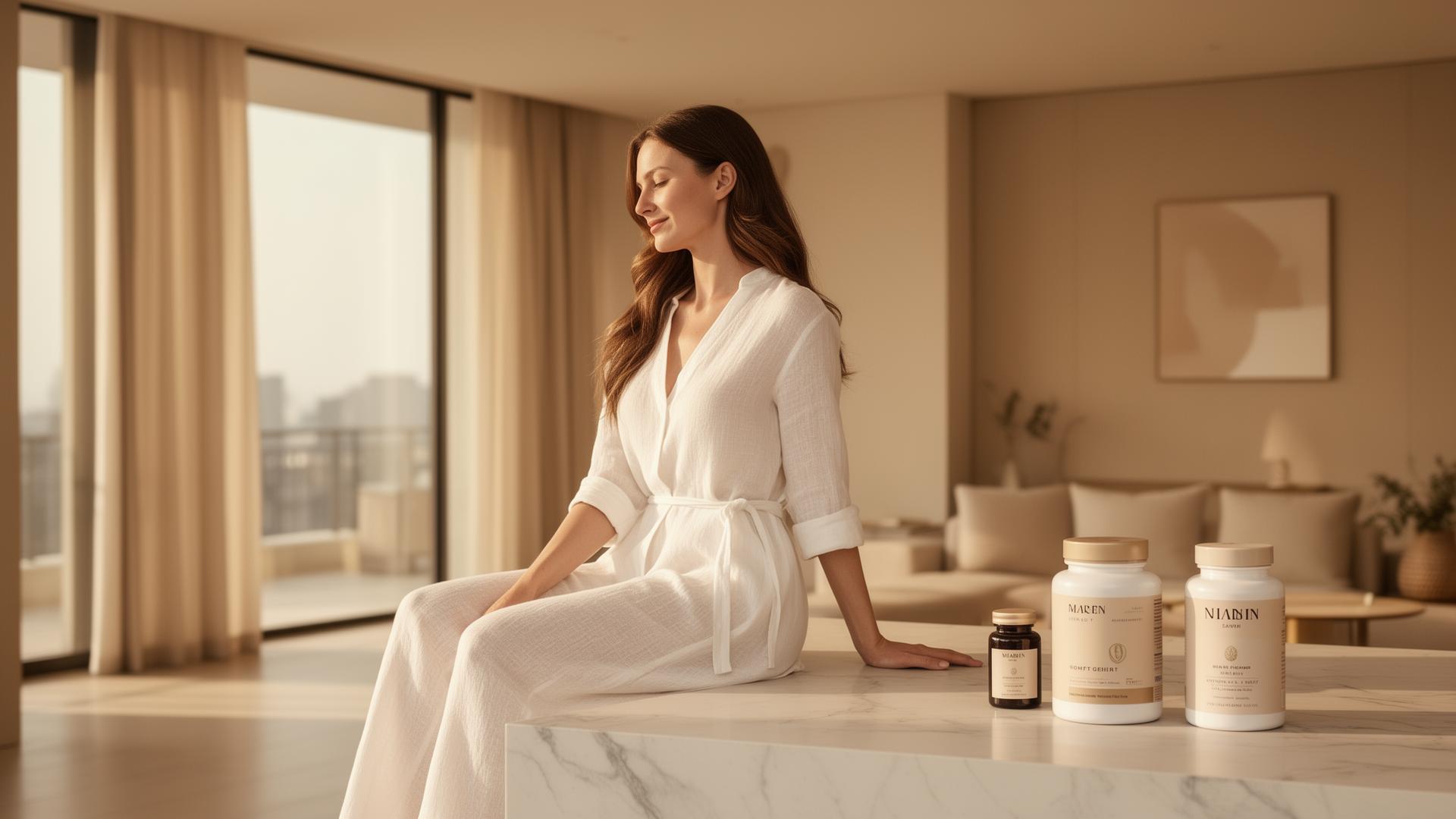
Instead of just one ingredient, NuviaLab Relax uses a combination of 10 natural ingredients that work together. This formula helps you feel calm, has an adaptogenic effect (which means it helps your body handle stress), and supports your ability to think clearly. Most importantly, it contributes to improving the quality of your sleep. It's designed to help you relax and fall asleep naturally, so you can wake up feeling like yourself again. If you want to see the full ingredient list and how they work, you can learn more about the formula here.
Beyond the Supplement: Lifestyle Habits for Deep, Restorative Sleep
A supplement can be a huge help, but pairing it with good habits is the key to long-term success. Think of it as creating the perfect environment for sleep. Here are a few simple things you can do every day.
- Create a Wind-Down Routine: About an hour before bed, turn off the TV and put away your phone. The blue light from screens can trick your brain into thinking it's daytime. Instead, try reading a book, taking a warm bath, or listening to calm music.
- Get Some Morning Sun: Spend 15-30 minutes in natural sunlight shortly after waking up. This helps reset your internal clock and reinforces a healthy sleep-wake cycle.
- Stay Active: You don't need to run a marathon! A daily walk is fantastic for promoting better sleep. Just try to avoid intense exercise too close to bedtime.
- Watch the Naps: If you need a nap, try to keep it short (20-30 minutes) and take it earlier in the afternoon. Napping too long or too late can make it hard to fall asleep at night.
These small changes can make a massive difference in how well you sleep.
Frequently Asked Questions (FAQ)
Is it safe to take NuviaLab Relax with my other medications?
NuviaLab Relax is made from natural ingredients, but it's always a good idea to talk with your doctor before adding any new supplement to your daily routine. They can give you the best advice based on your personal health situation.
How long does it take for NuviaLab Relax to work?
Many people report feeling more relaxed and noticing a difference within the first week. However, for the best results, it's recommended to use it consistently for at least 30 days to give your body time to adjust and regulate its sleep cycle.
Will I feel groggy the next morning?
This is a great question. NuviaLab Relax is specifically formulated to avoid that next-day grogginess. The goal is to help you wake up feeling refreshed and clear-headed, not sedated.
Your Action Plan for Reclaiming Restful Nights
We've covered a lot, but the main takeaway is simple: you have more control over your sleep than you think. Yes, your body changes as you age, but chronic poor sleep doesn't have to be your reality. By combining healthy lifestyle habits with a supportive, natural supplement like NuviaLab Relax, you can gently guide your body back to the restful nights it needs. Better sleep isn't a luxury; it's essential for your mood, memory, and overall health. You deserve to feel your best, and it can start tonight. Here's the link again if you're ready to take that first step.