Ever drag yourself out of bed feeling like you've barely slept, even after a full eight hours? If you're nodding along, you're not just tired. You're probably dealing with fragmented sleep. It's that frustrating pattern of waking up multiple times a night, which completely wrecks the quality of your rest. You're left feeling foggy, cranky, and just plain drained. But here's the good news: you can fix it. Many times, the root cause is hidden stress, and calming your mind can lead to incredible changes in your sleep, sometimes with a little help from natural supporters like NuviaLab Relax.
More Than Just Waking Up: Understanding Broken Sleep
So, what's actually happening when your sleep is fragmented? It's not just about waking up fully. It's about tiny interruptions, called micro-arousals, that you might not even remember. These pull you out of the deep, restorative stages of sleep. Think of your sleep cycle as a staircase you need to descend every night to get the best rest.
A healthy sleep cycle looks something like this:
- Stages N1 & N2 (Light Sleep): This is the entry point. Your body and brain start to slow down. It's easy to be woken up here.
- Stage N3 (Deep Sleep): This is the real magic. Your body does most of its physical repair work—healing muscles, strengthening the immune system, and getting you physically ready for the next day.
- Stage REM (Dream Sleep): This is for your brain. It processes emotions, organizes memories, and helps you learn. It's crucial for mental clarity and mood.
With fragmented sleep, you keep getting sent back to the top of the staircase (light sleep) right before you get to the good stuff. You never spend enough time in deep or REM sleep, which is why you wake up feeling physically and mentally exhausted, even if you were in bed for a long time.
The Common Culprits: Why Your Sleep Is Constantly Interrupted
Lots of things can cause interrupted sleep. We can group them into a few main buckets to make it easier to figure out what's going on with you. It could be one of these, or more likely, a combination of a few.
Lifestyle Habits
Simple daily choices can have a huge impact. That late-afternoon coffee, a glass of wine before bed (alcohol helps you fall asleep but fragments sleep later), or scrolling on your phone in the dark can all mess with your sleep signals.
Your Environment
Is your bedroom a true sleep sanctuary? A room that's too hot, too bright, or too noisy (hello, snoring partner or city traffic) can easily cause you to wake up throughout the night. Even a small amount of light can disrupt your sleep cycles.
Underlying Medical Issues
Sometimes, there's a medical reason for broken sleep. Conditions like sleep apnea (where you stop breathing for short periods), restless leg syndrome (RLS), or chronic pain can make continuous rest feel impossible. If you suspect one of these, it's a good idea to chat with a doctor.
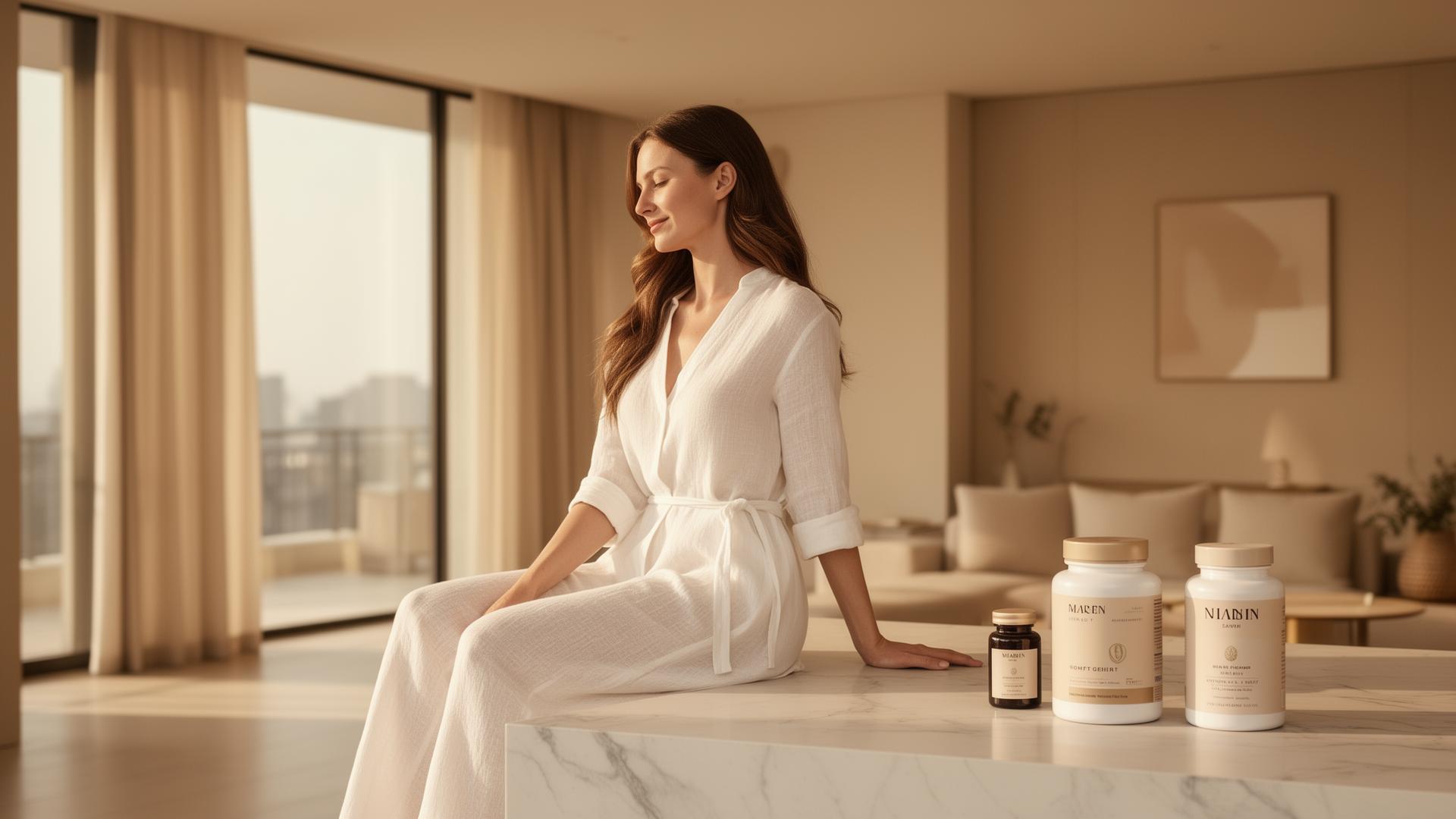
A Racing Mind: Stress and Anxiety
For so many of us, this is the biggest factor. When you're stressed or anxious, your body produces more of a hormone called cortisol. Cortisol is the 'awake and alert' hormone. It's great for the daytime, but at night, it's the enemy of sleep. High cortisol levels block melatonin (the 'sleepy' hormone), creating a nasty cycle: you're too stressed to sleep, and you're more stressed because you can't sleep. This is often the primary cause of waking up multiple times a night.
How to Choose a Solution That Actually Works
Okay, so you know the problem. What about the solution? If you've already tried the basics like a dark room and less caffeine, it's time to look deeper. When choosing a path forward, focus on solutions that tick these boxes:
- Addresses the root cause: A good solution doesn't just knock you out. It helps manage the underlying issue, like the stress that's keeping you awake.
- Uses natural, gentle ingredients: Look for solutions that work with your body, not against it. Ingredients that are non-habit-forming are key.
- Is backed by science or long-term use: You want something with ingredients that have been shown to actually help with relaxation and sleep quality.
- Supports overall well-being: The goal isn't just to sleep more, but to feel better overall. A good solution should help you feel calmer and more balanced during the day, too.
Thinking this way helps you avoid quick fixes that don't last and find something that offers long-term relief.
Your Toolkit for Continuous Rest
Getting deep, uninterrupted sleep is totally achievable. It often requires a combination of good habits and some targeted support to break the cycle of stress and poor sleep.
Foundational Habits
First, make sure your sleep hygiene is solid. This means a consistent bedtime, a cool and dark room, and no screens an hour before bed. These are the building blocks of good sleep.
Mindfulness & Relaxation Techniques
If a racing mind is your problem, mindfulness can be a huge help. Apps like Calm or Headspace offer guided meditations designed to quiet your thoughts. Even 10 minutes before bed can make a big difference in stopping the cortisol surge.
Natural Supplement Support
Sometimes, habits and meditation aren't enough to calm a truly stressed-out nervous system. This is where a high-quality natural supplement can be a powerful ally. We've looked at many options, and NuviaLab Relax stands out because it's designed specifically to tackle the stress-sleep connection. Its formula contains 10 natural ingredients that work together to help you relax, support a positive mood, and improve sleep quality. Instead of just making you drowsy, it helps address the root cause—that feeling of being 'wired'—so you can achieve genuinely restful sleep. For more info, you can check the details on NuviaLab Relax here.
Frequently Asked Questions (FAQ)
Is a supplement like NuviaLab Relax safe to take?
NuviaLab Relax is made from natural ingredients and is considered safe for most adults. However, if you are pregnant, nursing, or have a pre-existing medical condition, it's always best to consult with your doctor first.
Are there any side effects?
The product is based on a natural formula and does not cause side effects. It's designed to be gentle and non-habit-forming, unlike many prescription sleep aids.
How long does it take to see results?
Many people feel a sense of calm and relaxation shortly after taking it, which can help with sleep that same night. For the best, most consistent results in breaking the stress-sleep cycle, it's typically recommended to use it regularly for a few weeks.
Can I take it if I drink alcohol?
It is not recommended to combine supplements that promote relaxation and sleep with alcohol, as alcohol itself disrupts sleep patterns and can have unpredictable interactions.
Your Path to Restorative Sleep Starts Now
Fragmented sleep isn't just a minor annoyance; it steals your energy, focus, and joy. But you don't have to put up with it. By understanding that interrupted sleep is often a symptom of underlying stress, you can start taking the right steps to fix it. Combining healthy habits with targeted, natural support is the most effective way to calm your mind and body, allowing you to finally get the deep, continuous rest you deserve. If you're ready to stop the cycle, taking a look at a solution designed for this exact problem is a great place to start.
Why not reclaim your rest? You can learn more about NuviaLab Relax and how it can help you today.