Are you tired of scheduling your whole month around that one week? The canceled plans, the days spent curled up with a heating pad, the feeling that you just have to power through the pain. For so long, we've been told that awful period pain is just 'part of the deal.' But what if it's not? What if it's your body's way of sending a signal? We're going to look past the temporary fixes and get to the real reason why cramps can get so bad. It often comes down to your hormones, and there are ways to support your body naturally. Some great formulas, like the one you can see the details of here, are designed with this in mind.
"What if severe period pain isn't a life sentence, but a signal from your body that something is out of balance?"
What's Really Causing the Cramps? Prostaglandins and Your Uterus
Okay, let's talk about what's physically happening in your body. The main culprits behind cramps are substances called prostaglandins. Think of them like little messengers that tell your uterus to contract so it can shed its lining. A certain amount of this is normal and necessary. But when your body produces too many prostaglandins, those contractions become way more intense and painful. Hello, cramps.
It's important to know there are two types of period pain:
- Primary Dysmenorrhea: This is the common type of period pain that isn't caused by another medical condition. It's directly related to those pesky prostaglandins we just talked about. This is what we're focusing on today.
- Secondary Dysmenorrhea: This pain is caused by an underlying issue, like endometriosis, fibroids, or pelvic inflammatory disease. The pain often lasts longer and can occur at other times during your cycle.
If your pain is severe, getting worse over time, or you have other symptoms, it's always a good idea to chat with a doctor to rule out any underlying conditions.
The Real Root Cause: How Hormonal Imbalances Fuel the Pain
So, why would your body produce too many prostaglandins in the first place? It often comes down to hormonal imbalance. Your menstrual cycle is a delicate dance between two key hormones: estrogen and progesterone. When they're not in sync, things can get uncomfortable.
Estrogen Dominance: Too Much of a Good Thing
Estrogen's job in the first half of your cycle is to build up the uterine lining. But if your estrogen levels are too high compared to your progesterone, this lining can become extra thick. A thicker lining requires more prostaglandins and stronger contractions to shed, which translates directly to more pain for you.
Low Progesterone: The Peacemaker is Missing
Progesterone is the calming, balancing hormone of the second half of your cycle. It helps keep the uterine lining stable and has anti-inflammatory properties. When progesterone is low, estrogen can run wild without anything to keep it in check, leading to the perfect storm for painful-periods-hormones and other PMS symptoms.
The Stress Connection: Cortisol's Sneaky Role
Ever notice your period is worse after a stressful month? There's a reason for that. When you're under chronic stress, your body pumps out the stress hormone cortisol. To make cortisol, your body sometimes 'steals' the building blocks it would normally use to make progesterone. This can lead to lower progesterone levels, throwing that delicate hormonal balance even further out of whack and making cramps worse.
A Holistic Path to Hormonal Harmony: Lifestyle and Diet
The good news is you have a lot of power to support your hormonal health. It isn't just about what you do during your period, but how you live all month long. Small changes can make a huge difference.
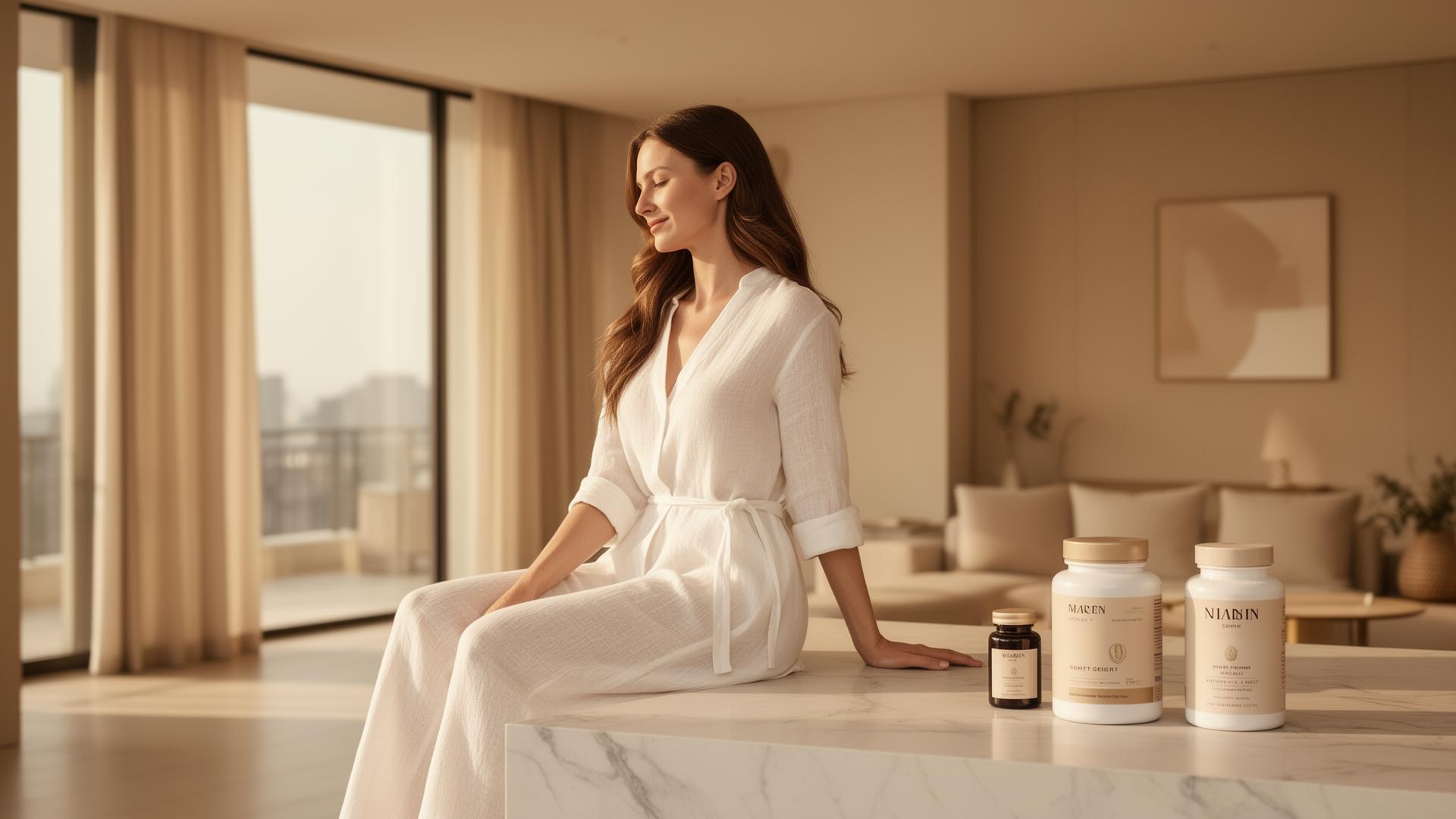
- Focus on Food: Pack your diet with anti-inflammatory foods. Think leafy greens, nuts, seeds, and fatty fish rich in omega-3s. Fiber is also your best friend! It helps your body properly get rid of excess estrogen. Try to limit sugar, dairy, and heavily processed foods, which can increase inflammation.
- Gentle Movement: Intense exercise can sometimes make things worse, but gentle movement is fantastic. Activities like walking, stretching, and yoga can improve blood flow to the pelvic area and reduce stress, which helps lower cortisol.
- Manage Your Stress: Since we know stress can mess with progesterone, finding ways to relax is key. This looks different for everyone! It could be journaling, meditating, getting a full eight hours of sleep, or just taking 10 minutes to sit quietly and breathe.
Creating these habits helps your body build a resilient foundation for a smoother cycle.
Deep Dive: Our Recommended Supplement for Painful Periods
Even with the best diet and lifestyle, sometimes your body needs a little extra support to find its balance. That's where a targeted supplement can be incredibly helpful. We recommend NuviaLab Female Fertility because it's specifically formulated with ingredients known to support female reproductive health and hormonal harmony.
Instead of guessing which individual supplements to take, this formula combines 19 different plant extracts, vitamins, and minerals that work together. Here are a few key players that address the hormonal imbalances we've been talking about:
- Vitex (Chasteberry): This herb is well-known for its ability to support healthy progesterone levels, helping to balance out estrogen.
- Magnesium: Often called 'nature's relaxant,' magnesium is a superstar for soothing muscle tension, which can directly ease those painful uterine contractions.
- B-Vitamins: These vitamins are crucial for your overall energy and mood, but they also play a vital role in helping your liver process and clear out excess hormones.
This synergistic blend helps address the root causes of hormonal imbalance for menstrual cramps, not just the symptoms. You can check out the full ingredient list and read reviews here.
Frequently Asked Questions (FAQ)
How long does it really take to see a difference in my cramps?
Hormonal balance doesn't happen overnight. It's a gradual process. Most people report noticing positive changes after 2-3 full menstrual cycles. Be patient and consistent with both your lifestyle changes and any supplements you take.
Is this supplement safe to take with birth control?
Because some ingredients can influence hormones, it's very important to talk to your doctor or a qualified healthcare provider before combining any supplement with hormonal birth control.
Are there any side effects I should be aware of?
NuviaLab Female Fertility is made from high-quality, natural ingredients. However, as with any supplement, it's wise to read the label and consult your doctor, especially if you have pre-existing health conditions or are taking other medications.
What if my pain is caused by endometriosis? Will this still help?
Endometriosis is a complex medical condition that requires a doctor's diagnosis and treatment plan. While supporting your hormonal health with ingredients like those in NuviaLab Female Fertility may help manage some symptoms, it is not a cure for endometriosis. It's essential to work with your healthcare team for your specific condition.
Your Path to Less Painful Periods Starts Now
The biggest takeaway here is that you don't have to just 'suffer through' debilitating period pain. For many of us, it's a clear sign that our hormones are asking for a little help. By understanding the link between painful-periods-hormones, you can start taking back control. A multi-step approach of an anti-inflammatory diet, smart stress management, and a targeted supplement like NuviaLab Female Fertility offers a powerful strategy for lasting relief. It's an investment in your comfort and well-being, and you absolutely deserve it.