Omega-3 Fatty Acids: Why EPA & DHA Are Essential for Your Health
Omega-3s are among the most important nutrients you're probably not getting enough of. Here's everything you need to know.
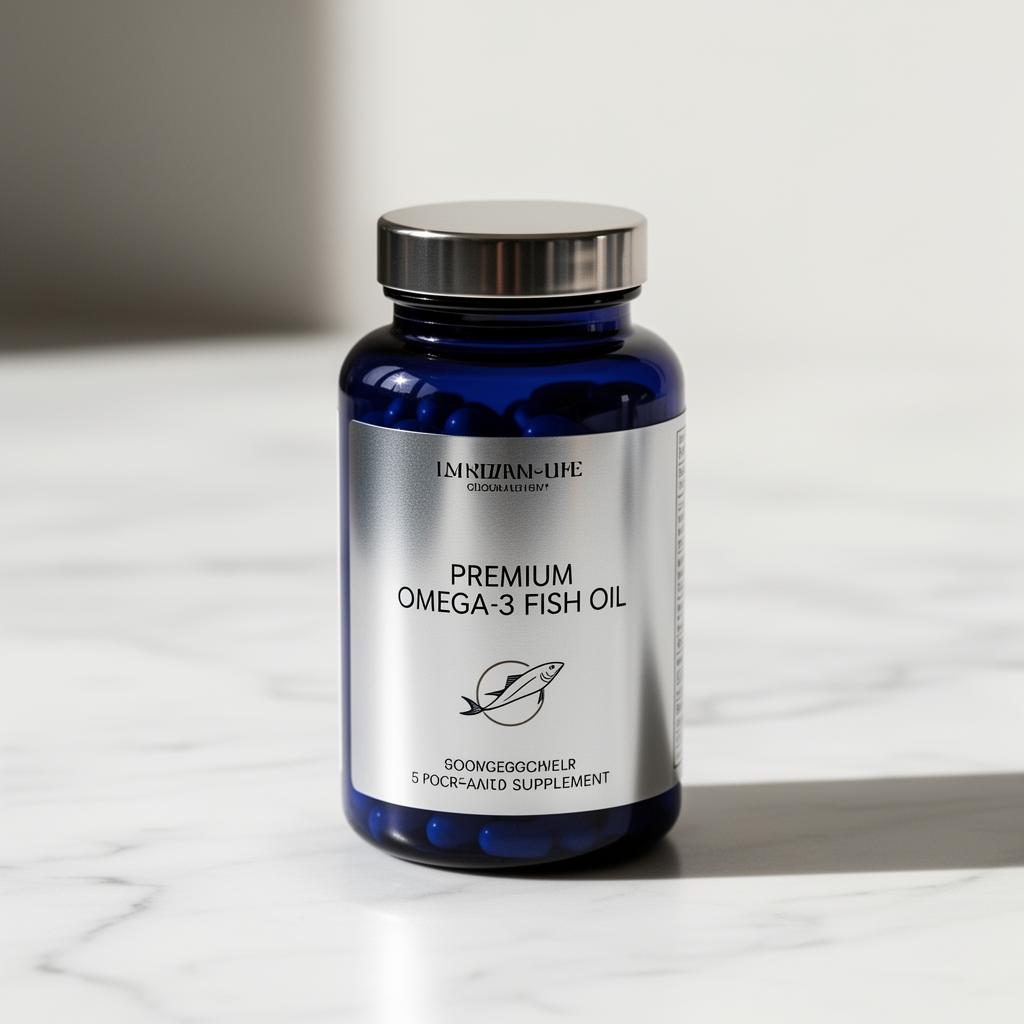
Omega-3 fatty acids are polyunsaturated fats that your body cannot produce on its own — making them essential nutrients you must obtain from food or supplementation. Despite their importance, most people in Western countries consume far too little.
The Three Types of Omega-3
EPA (Eicosapentaenoic Acid) Primarily anti-inflammatory. EPA is the omega-3 most studied for cardiovascular health, mood support, and reducing chronic inflammation.
DHA (Docosahexaenoic Acid) The primary structural component of brain tissue and the retina. Critical for cognitive function, fetal brain development, and eye health.
ALA (Alpha-Linolenic Acid) Found in plant sources (flax, chia, walnuts). Your body must convert ALA to EPA and DHA, but the conversion rate is extremely low (2–10%). This is why direct EPA/DHA sources are preferred.
Proven Benefits of EPA & DHA
Cardiovascular Health
- Reduces triglyceride levels by 15–30%
- Improves arterial function and blood flow
- May reduce blood pressure in hypertensive individuals
- Associated with reduced risk of heart disease
Brain & Cognitive Function
- DHA makes up 40% of polyunsaturated fats in the brain
- Supports memory, focus, and processing speed
- May reduce risk of cognitive decline with aging
Inflammation & Joint Health
- EPA competes with pro-inflammatory omega-6 fatty acids
- Reduces markers of systemic inflammation (CRP, IL-6)
- May reduce joint stiffness and pain in arthritis
Mood & Mental Health
- Meta-analyses show EPA-dominant supplements reduce symptoms of depression
- May complement conventional treatments for mood disorders
Eye Health
- DHA is a major structural component of the retina
- Adequate intake may reduce risk of age-related macular degeneration
How Much Do You Need?
General health: 500–1,000mg combined EPA + DHA daily Cardiovascular support: 1,000–2,000mg combined EPA + DHA daily Anti-inflammatory/mood: 2,000–3,000mg combined EPA + DHA daily (with emphasis on EPA)
Choosing a Quality Fish Oil
1. Check EPA + DHA content — not just "fish oil." A 1,000mg fish oil capsule may contain only 300mg of actual EPA + DHA. 2. Look for third-party testing — IFOS (International Fish Oil Standards) 5-star rating ensures purity and potency. 3. Molecular distillation — removes heavy metals, PCBs, and other contaminants. 4. Triglyceride form — better absorbed than ethyl ester form, though both are effective. 5. Enteric coating — prevents fishy burps and improves comfort.
What About Plant-Based Omega-3?
Algae-derived DHA supplements are available for vegans and vegetarians. They provide DHA directly (bypassing the poor ALA conversion) and are sustainably sourced. However, most algae supplements are lower in EPA.
The Bottom Line
If you're not eating fatty fish 2–3 times per week, an omega-3 supplement is one of the most evidence-based additions to your daily routine. Prioritize combined EPA + DHA content over total fish oil volume, and choose a quality product with third-party testing.