Is there anything more frustrating than waking up in the middle of the night, tangled in damp sheets and shivering? If you're tired of starting your day feeling exhausted and wondering why your body's internal thermostat seems broken, you are definitely not alone. It's a confusing and often worrying experience.
"Night sweats are more than just being too hot—they're a signal from your body that something is out of balance. The key is to listen and figure out what it's trying to tell you."
Why Am I Waking Up Sweating? Understanding the Root of the Problem
First, let's be clear: we're not talking about feeling a bit warm because you used one too many blankets. True night sweats are episodes of heavy sweating that can drench your pajamas and bedding, happening even when your room is cool. It's an uncomfortable experience that can disrupt your sleep and leave you feeling anxious about what might be causing it.
The causes can range from simple lifestyle habits to more complex medical reasons. The good news is that once you start to understand the potential triggers, you can take clear, actionable steps to find relief. This guide will walk you through identifying the source of your night sweats and finding effective solutions. From simple tweaks to your bedroom to exploring how natural supplements can support emotional balance and relaxation, we'll cover the path to drier, more peaceful nights.
The Most Common Causes of Night Sweats
Figuring out the 'why' behind your night sweats is the first step toward solving them. The culprits generally fall into one of a few main categories. Let's break them down.
Hormonal Fluctuations
Hormones are powerful chemical messengers, and when they're out of whack, your body's temperature regulation can go haywire. This is a very common cause.
- For women: Menopause and perimenopause are the most famous causes of night sweats. As estrogen levels fluctuate and decline, it can confuse the hypothalamus—the part of your brain that acts as your body's thermostat—leading to hot flashes and night sweats.
- For men: While less talked about, a decline in testosterone levels, sometimes called 'andropause,' can also trigger night sweats in a similar way.
Medical Conditions
Sometimes, night sweats are a symptom of an underlying health issue. It's important not to jump to conclusions, but to be aware of the possibilities. Common medical causes include sleep apnea, where breathing repeatedly stops and starts, and thyroid problems like hyperthyroidism, which can speed up your metabolism and raise your body temperature. These conditions always require a conversation with your doctor.
Medications
Did you start a new medication recently? Many common prescription drugs can cause night sweats as a side effect. Some antidepressants, steroids, and even some medications for diabetes can be responsible. If you suspect this is the cause, talk to your doctor about your concerns.
Lifestyle Factors
Your daily habits play a huge role in your sleep quality. Things you do during the day and evening can directly lead to sweating at night. This includes drinking alcohol, eating spicy foods close to bedtime, or even exercising too late in the evening. Stress and anxiety are also major triggers, as they can put your body into a 'fight or flight' state.
Cause Category — Examples
Lifestyle Causes — Alcohol or caffeine before bed, spicy food, high stress levels, a warm bedroom.
Medical Causes — Hormonal changes (menopause), sleep apnea, thyroid issues, medication side effects.
Your Step-by-Step Plan to Reduce Night Sweats
Ready to take action? Here is a straightforward plan you can start tonight. Think of it as a process of elimination to help you pinpoint what works for you.
Step 1: Optimize Your Sleep Environment
Your bedroom should be a sanctuary for sleep. Start by making it as cool and comfortable as possible.
- Cool it down: Lower your thermostat by a few degrees before bed.
- Breathe easy: Switch to lightweight, breathable bedding made from natural fibers like cotton, linen, or bamboo. The same goes for your pajamas.
- Get some air: Use a fan to circulate air, creating a cooling breeze that can make a huge difference.
Step 2: Adjust Your Diet and Habits
What you consume and when you consume it matters. Try making a few simple adjustments to your evening routine.
- Watch what you eat and drink: Avoid alcohol, caffeine, and heavy or spicy meals for at least three hours before you go to sleep.
- Time your exercise: A good workout can improve sleep, but doing it too close to bedtime can raise your core body temperature. Try to finish exercising at least a couple of hours before you turn in.
Step 3: Consider Natural Support for Stress and Balance
If you suspect stress, anxiety, or general emotional imbalance is contributing to your night sweats, supporting your body from the inside out can be a powerful step. When you feel overwhelmed, your body's systems can get thrown off, impacting everything, including sleep. Products with adaptogenic ingredients are designed to help your body manage stress and find its equilibrium.
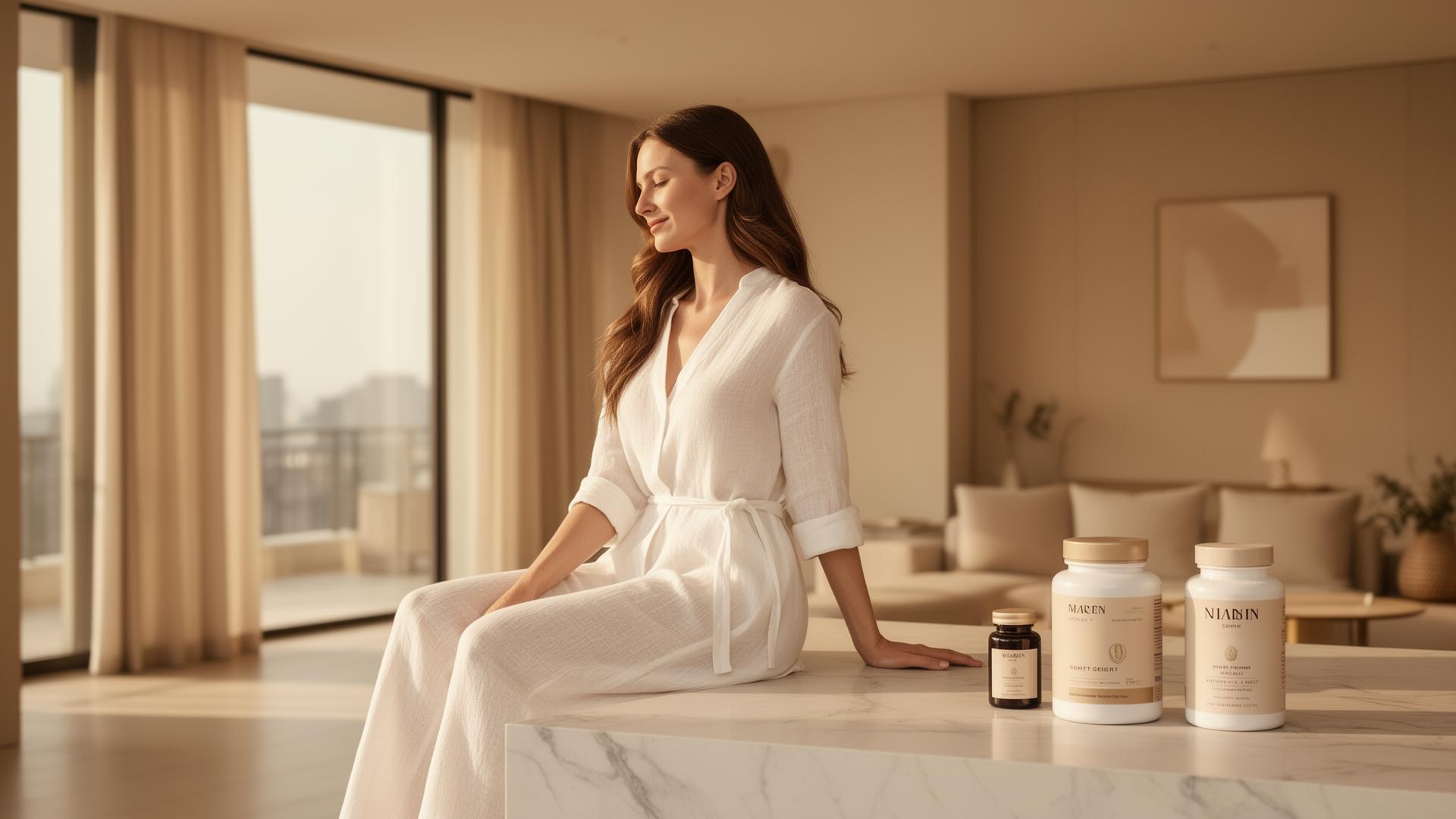
The food supplement NuviaLab Relax is formulated with natural ingredients that help you relax, maintain a good mood, and support emotional balance. By inducing a feeling of calmness, it can help prepare your body for a more peaceful and improved quality of sleep—potentially reducing those stress-induced sweat sessions. If you're looking for natural support to help calm your system, it might be the right fit for you.
When to See a Doctor: Red Flags You Shouldn't Ignore
While many cases of night sweats can be managed with lifestyle changes, it's crucial to know when to seek professional medical advice. Your health is the top priority. Please make an appointment with your doctor if your night sweats are accompanied by any of the following symptoms:
- Unexplained weight loss: Losing weight without changing your diet or exercise habits.
- Persistent fever: A fever that doesn't seem to be related to a cold or flu.
- Other symptoms: Sweats that are very regular, severe, or accompanied by daytime fatigue, body aches, or swollen lymph nodes.
During your visit, your doctor will likely ask about your medical history, your symptoms, and any medications you're taking. They may also run some blood tests to check for underlying issues. Being prepared with this information can help make the visit more productive.
Long-Term Prevention: Maintaining Dry and Restful Nights
Once you find some relief, the goal is to make it last. Building healthy, sustainable habits is the best way to prevent night sweats from coming back.
Focus on consistent stress management. You don't have to become a zen master overnight. Simple practices like a few minutes of deep breathing before bed, gentle stretching, or listening to calming music can make a big impact. Maintaining a healthy weight and eating a balanced diet also supports your overall hormonal health.
Finally, stick to a solid sleep hygiene routine. Going to bed and waking up around the same time every day, even on weekends, helps regulate your body's internal clock. This consistency is the foundation for preventing future episodes and enjoying restful sleep long-term.
Frequently Asked Questions (FAQ)
Can anxiety cause night sweats?
Absolutely. Anxiety and stress trigger the body's 'fight or flight' response, releasing hormones that can increase your heart rate, breathing, and body temperature, which can lead to sweating even while you sleep.
Are night sweats different for men and women?
Yes, they often are. For women, night sweats are very commonly linked to the hormonal shifts of perimenopause and menopause. For men, they can be related to low testosterone levels, but are also frequently tied to lifestyle factors or other medical conditions like sleep apnea.
How quickly can I stop my night sweats?
This really depends on the cause. If your sweats are due to a warm room or eating spicy food, you could see improvement tonight. If they're related to hormones, stress, or a medical condition, it may take more time and a more comprehensive approach to find lasting relief.
Your Path to Drier, More Restful Sleep Starts Now
Waking up in a sweat doesn't have to be your new normal. As we've seen, night sweats are a solvable problem. The key is to be a detective—start by looking at your environment and daily habits, listen to your body's signals, and don't be afraid to ask for help when you need it.
If you suspect your restless nights are tied to the daily grind of stress and worry, remember that supporting your emotional balance can be a powerful part of the solution. NuviaLab Relax is designed with natural ingredients to help your body find its calm and support a better quality of sleep. Take the first step towards better sleep tonight.